Triangle or the Coast? Where Your Money Goes Further in the Carolinas
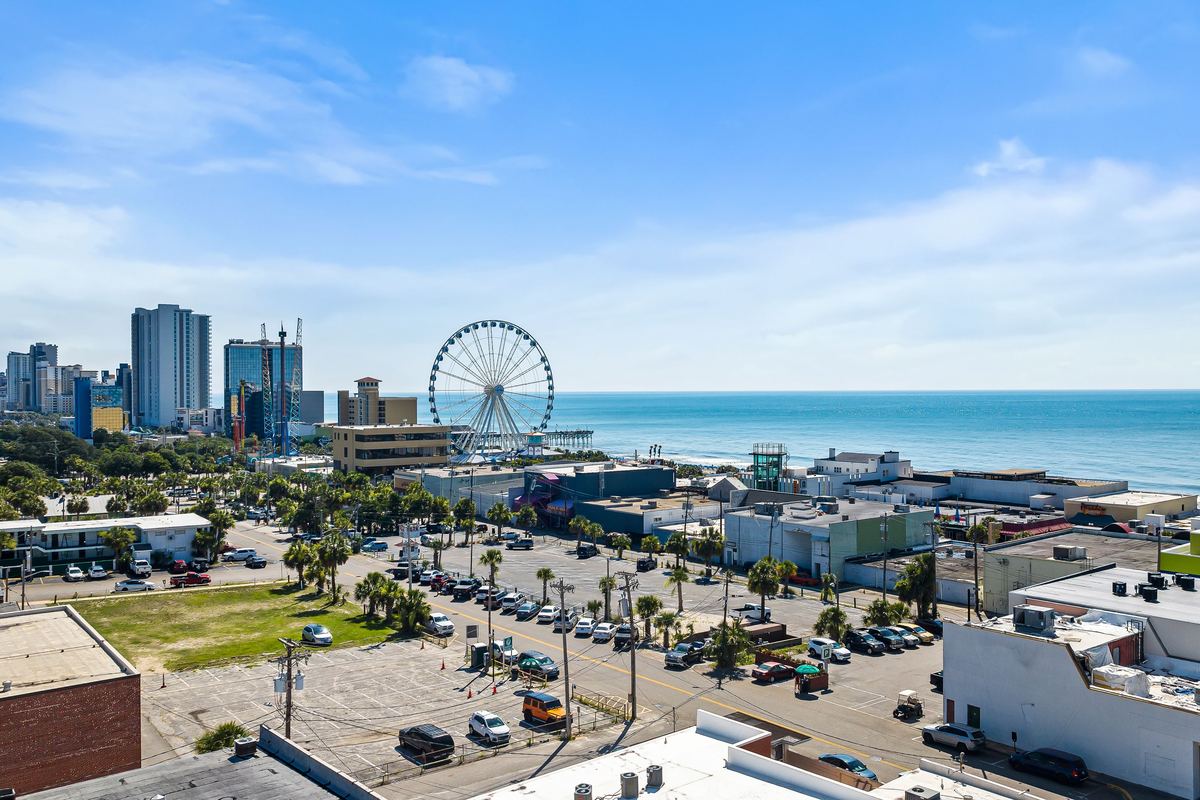
I work both of these markets every week — Raleigh–Durham on one side, the Myrtle Beach Grand Strand on the other. And the question I hear most from relocating buyers, retirees, and investors is some version of the same thing: where does my money actually go further?
The honest answer is "it depends on what you're buying money for." So here's the real math, side by side, as of mid-2026 — and the parts of the decision that spreadsheets miss.
The headline numbers
| Raleigh–Durham Triangle | Myrtle Beach / Grand Strand | |
|---|---|---|
| Median home price | ~$420–450K (Raleigh) | ~$315–325K (Myrtle Beach) |
| Typical days on market | ~43 days | ~85 days |
| Inventory | ~3.4 months (favors sellers) | ~6+ months (favors buyers) |
| Effective property tax* | ~0.7% (Wake County) | ~0.46% owner-occupied (Horry County) |
*Rates are approximate effective rates on owner-occupied homes and change with budgets and revaluations. Second homes and investment properties in South Carolina are assessed at a higher 6% ratio — a critical detail I cover below. Verify current figures for any specific property, and talk to a tax professional about your situation.
Read that table quickly and the coast wins. A typical home costs roughly $100–125K less, the tax rate is lower, and with six-plus months of inventory, beach sellers negotiate. In the Triangle, well-priced homes still move in about six weeks and sellers hold more of the leverage.
But the sticker price is where the comparison starts — not where it ends.
What the Triangle buys you
The Triangle's premium isn't decoration — you're buying one of the strongest job markets in the Southeast. Research Triangle Park, three major universities, and a steady stream of corporate relocations mean deep employment, strong long-term appreciation pressure, and a resale market that stays liquid. Homes here move fast because someone always wants in.
If you're in your working years, the Triangle's math usually wins even at higher prices: career opportunity compounds, and the equity you build rides a growth market.
What the coast buys you
The Grand Strand's discount is real, and for the right buyer it's a gift. Roughly $100K less for the median home, right now with the negotiating leverage on your side of the table. For retirees, South Carolina sweetens it further: Social Security isn't taxed at the state level, retirees 65+ can deduct retirement income before state tax kicks in, and Horry County's owner-occupied tax rate is among the gentlest you'll find on the East Coast.
On a $350,000 primary home, the annual property tax difference between Wake County and Horry County can run well over a thousand dollars — every year, in your pocket.
The three traps in the fine print
1. The 4% vs. 6% rule. South Carolina taxes owner-occupied primary residences at a 4% assessment ratio — but second homes and investment properties at 6%, with fewer credits. Out-of-state buyers regularly discover this after closing, when the first tax bill arrives dramatically higher than the listing's "taxes" line suggested. If the beach home won't be your legal primary residence, run the 6% math before you offer.
2. Coastal insurance. Wind, hail, and flood coverage near the coast is a real and rising line item that inland buyers never think to budget. On some oceanfront condos, insurance and HOA fees together can rival the mortgage payment. Get an insurance quote during due diligence — not after.
3. Liquidity. The Triangle's speed cuts both ways: you pay more to get in, but you can get out fast. Beach property can take months to sell in a slow stretch. If there's a chance you'll need to exit quickly, that difference matters more than any tax rate.
So… which one is you?
- Working and building a career? The Triangle, almost every time. You're buying into the job market as much as the house.
- Retiring on a fixed income? The coast makes a powerful case: lower purchase price, lower taxes, retiree-friendly state tax treatment — as long as you budget honestly for insurance.
- Investing? Two different plays. The Triangle is an appreciation-and-stability market; the Grand Strand is a cash-flow-and-seasonality market with more moving parts (HOA, insurance, the 6% ratio, rental rules). Neither is "better" — they're different tools.
- Torn? A surprising number of my clients do both eventually: primary home in the Triangle, beach place later — or sell the family home inland and right-size to the coast.
The bottom line
Your money goes further at the coast and works harder in the Triangle. Which one wins depends on whether you need your house to be an engine or a reward.
I'm one of the few agents licensed and actively working in both markets — so if you're weighing this exact decision, you don't have to referee between two agents each selling their own turf. Tell me your situation and I'll give you the same honest math I'd give my own family. And if you already own in either market, start by seeing what your home is worth with my free home valuation tool.
Market figures reflect mid-2026 data from public market reports (Redfin, Zillow, Houzeo, county tax offices) and change over time. This article is general information, not tax or financial advice — bring your specific numbers to a tax professional.