What Actually Sells a Triangle Home Right Now
The Triangle is still a good place to be a seller. Well-priced homes move in about six weeks, and inventory sits around three and a half months — tighter than a balanced market.
But "still a seller's market" is doing a lot of quiet work in that sentence. Buyers in 2026 are more patient, more payment-conscious, and much quicker to skip a home that feels overpriced or unprepared. Here's what actually moves the needle.
The prep that pays
After a few hundred transactions, the pattern is consistent. The highest-return work is almost never the expensive work:
- Paint. Nothing else returns like fresh, neutral paint. It reads as "well cared for" in every single photo.
- Light and clean. Every bulb working, matching color temperature, windows washed, filters changed. Buyers can't articulate why a house feels good — this is usually why.
- Decluttering to the point of discomfort. Whatever you think is enough, remove another third. Empty counters photograph as space.
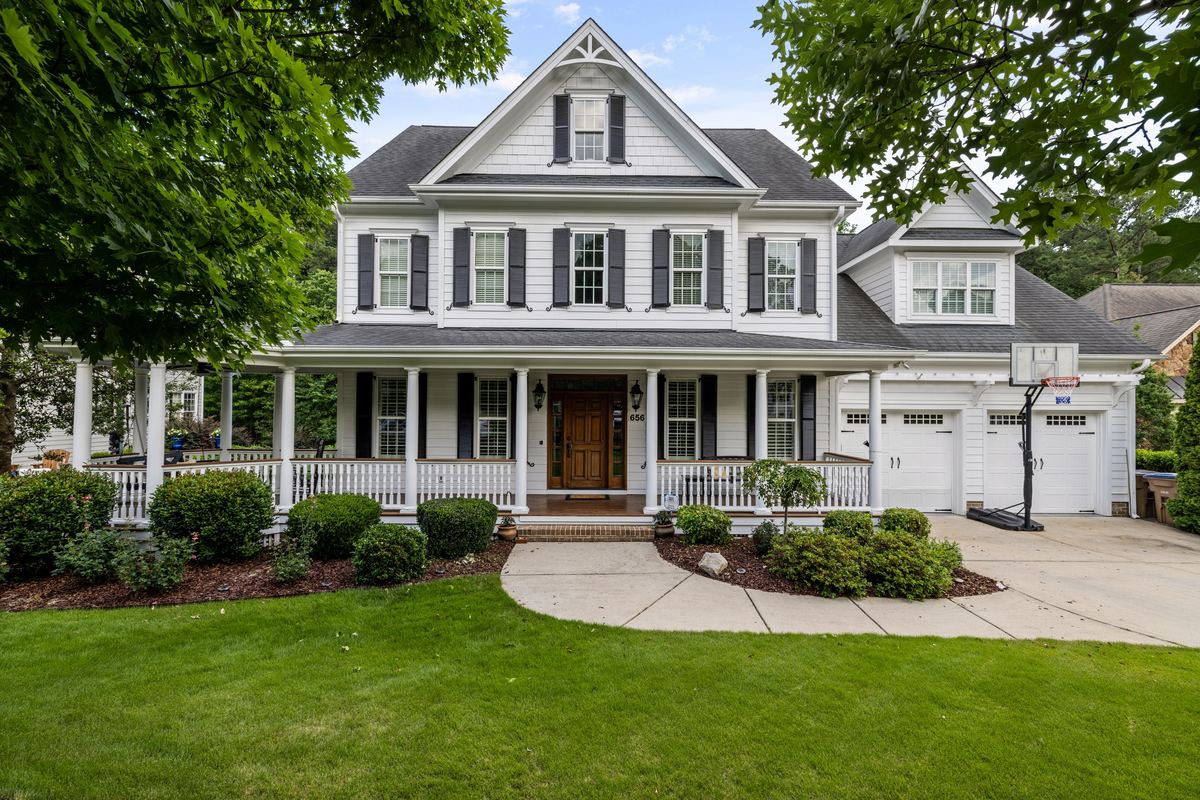
- Curb appeal. Fresh mulch, edged beds, a clean front door, working exterior lights. This is the first photo and the first impression.
- Small deferred repairs. The running toilet, the sticking door, the missing outlet cover. Individually trivial; collectively they read as neglect and invite a longer inspection list.
The upgrades that usually don't
The three questions I get most, and my honest answers:
Should I renovate the kitchen? Usually no — not a full one, not right before listing. Full renovations rarely return their cost at resale, and you'll pick finishes the buyer would have chosen differently anyway. Cosmetic refreshes (paint, hardware, lighting) return far better per dollar.
Should I replace the roof? Only if it's genuinely at end of life or insurance-uninsurable. Otherwise, price it in and let the buyer choose — a credit is often cheaper than a replacement.
Should I replace all the flooring? Worn carpet in a main living area, often yes. A whole-house re-floor, usually no. Target the rooms buyers photograph.
My rule: fix what makes the home look neglected, price for what makes it dated. Buyers forgive dated. They punish neglected.
Pricing when your street has three kinds of buyers
Here's what makes Triangle pricing genuinely tricky right now. On the same block you may have relocating buyers with corporate timelines, first-time buyers stretching to a payment ceiling, and move-up buyers comparing your house against brand-new construction two exits away.
Those three groups value your home differently. New construction sets an anchor for finish expectations. Payment-sensitive buyers effectively cap your price regardless of comps. And relocation buyers — who often move fastest — are comparing you against homes in three towns at once.
Which is why a Zestimate is a starting point and not a strategy. Automated values can't see your renovation, your lot, your street's traffic, or the fact that the comparable sale down the road included a seller credit that never shows up in the price.
The first ten days decide everything
Your listing gets its largest audience in its first week — every buyer with a saved search gets alerted at once. Price it right and you compete for that attention. Price it high "to leave room" and you spend your best week educating buyers that you're overpriced, then chase the market down for two months.
The homes that sit aren't usually bad homes. They're homes that were priced for the market the seller wished existed.
What I'd do if it were my house
- Get a real valuation, not an algorithm's guess.
- Spend a modest budget on paint, light, landscaping, and small repairs — nothing structural, nothing custom.
- Photograph it properly. Bad photos cost more than any repair on this list.
- Price it to be the obvious best value in its first week.
- Be ready to move. The best offers often arrive in days, not weeks.
Start with the number: use my free home valuation tool, then reach out and I'll tell you honestly which prep is worth doing on your specific house — and which isn't.
Market figures reflect mid-2026 public data and change over time. This article is general information, not tax, legal, or financial advice — bring your specific situation to the appropriate professional. Equal Housing Opportunity.